
20th August 2026
Do You Need to Wear a Retainer Forever After Braces or Invisalign?
You have finished your treatment, the braces are off, or the final aligner is done, and your smile looks exactly as you hoped. Then comes the question nobody quite prepared you for: how long do you have to keep wearing a retainer? And the honest answer surprises people.
Yes, in most cases you will need to wear a retainer long-term, often for life, though far less than you might fear. It is not the burden it sounds like, and understanding why it matters makes it much easier to stick with. Here is the full picture, from the team at Beeston Dental Practice in Nottingham.
Why Teeth Need Retaining at All
It feels unfair. You have put in months of treatment, so why won’t your teeth just stay put?
The answer is that teeth are held in place by bone and fibres that have a kind of memory. After treatment moves them into their new positions, those tissues take time to settle and stabilise around the new arrangement. In the meantime, and to some extent for the rest of your life, the teeth have a natural tendency to drift back towards where they were.
This is called relapse, and it is the single reason retainers exist. A retainer simply holds your teeth in their new position while the surrounding bone and gum adapt, and then keeps gently holding them so they do not gradually wander over the years.
Importantly, this applies equally to fixed braces and Invisalign. Your teeth do not know which method moved them; they only know they have been moved recently and want to shift back. The retention requirement is the same whichever treatment you had.
The Typical Retainer Timeline
Retainer wear usually reduces in stages rather than stopping abruptly.
In the first few months after treatment, you will typically wear your retainer for most of the day and night, or full-time, because this is when your teeth are most likely to move, and the new position needs locking in.
After that, most people move to nightly wear, wearing the retainer just while they sleep. This is far less intrusive and quickly becomes a normal part of the bedtime routine.
Longer term, many dentists recommend continuing to wear a retainer at night, or at least a few nights a week, indefinitely. This is not because your teeth will shift overnight if you miss one night, but because consistency over the years is what preserves your smile as your teeth naturally try to move with age.
Your own dentist will give you a plan tailored to your teeth, since the exact timings vary from person to person.
Frequently Asked Questions
Do you have to wear a retainer forever after braces?
In most cases, yes, though usually only at night or a few nights a week long term. Teeth naturally tend to drift over time, and a retainer is the only reliable way to keep them in their new position.
Is the retainer requirement different after Invisalign?
No. Teeth are just as likely to shift after Invisalign as after fixed braces, so the retention requirement is the same. Your teeth do not know which method moved them.
What happens if I stop wearing my retainer?
Your teeth will gradually shift back, sometimes within days or weeks. You may not notice at first, but over time the movement becomes visible and can require repeat treatment to correct.
Why does my retainer feel tight?
A retainer that feels tight after you have skipped a few nights is a sign your teeth have already started to move. Go back to wearing it more regularly and let your dentist know.
What are the different types of retainers?
Removable retainers are clear or wire trays you take in and out, usually worn at night. Fixed retainers are thin wires bonded behind the front teeth that stay in place permanently. Some people have a combination.
How do I look after my retainer?
Clean it regularly as advised, avoid hot water with removable retainers, keep it in its case when out, and bring it to check-ups. If it is lost or no longer fits, contact us promptly rather than going without.
What Happens if You Stop
This is worth being honest about, because it is the reason we go on about retainers.
If you stop wearing your retainer, your teeth will gradually shift, sometimes beginning within days or weeks. At first you may not notice, then you might find the retainer feels tight when you next try it. That tightness is not a coincidence; it is a sign your teeth have already started to move.
Left longer, the movement becomes visible, and in significant cases the only way to correct it is to go through orthodontic treatment again. Given the time and cost that it involves, wearing a retainer at night is a very small price to protect the results you worked for.
The takeaway is simple: a tight retainer is an early warning, not just an annoyance. If yours starts to feel tight, go back to wearing it more often and let us know.
The Types of Retainer
There are two main kinds, and you may have one or a combination.
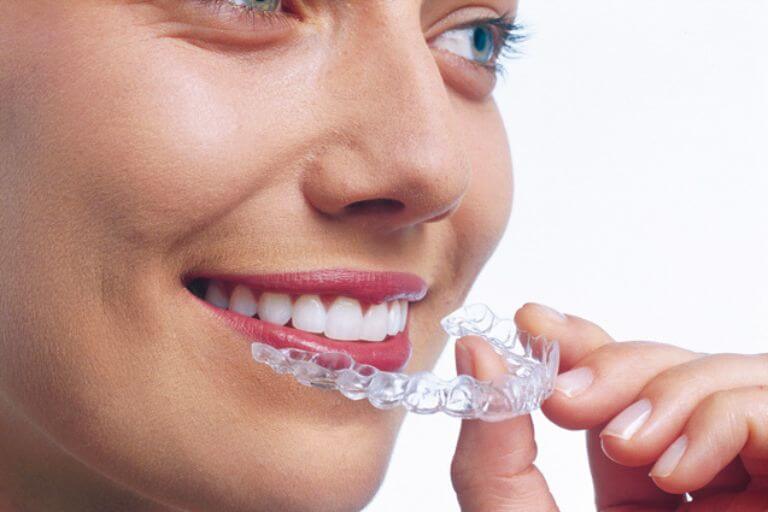
A removable retainer is a clear, custom-made tray, a little like an Invisalign aligner, or a wire-and-plastic design, that you take in and out. It is easy to clean and simple to wear at night. Clear removable retainers typically need replacing every few years as the plastic wears.
A fixed, or bonded, retainer is a thin wire bonded discreetly behind the front teeth, usually on the lower jaw. It stays in place permanently and works without you having to remember anything, which suits people who worry they would forget. It can last many years, though it needs good cleaning around it and the occasional check that the wire is still secure.
Which is right for you depends on your teeth and your preferences, and we will talk this through at the end of your treatment.
Looking After Your Retainer
A few simple habits keep your retainer working. Clean it regularly as advised, since it can gather bacteria and look cloudy otherwise, and avoid cleaning removable retainers in hot water, which can warp them. Keep a removable retainer in its case when it is out, rather than wrapped in a tissue where it is easily lost or thrown away. And bring it along to your check-ups so we can make sure it still fits well.
If your retainer is lost, damaged, or no longer fits, do not force it and do not simply go without. Get in touch, because a replacement made promptly is far cheaper and easier than dealing with teeth that have shifted.
We’re Here to Help
Whether you are considering teeth straightening and want to understand the full commitment, or you have finished treatment and have questions about your retainer, we are happy to help.
Call us on 0115 9254 169 or book online. You can read more about our orthodontic treatments, including Invisalign and fixed braces.
Beeston Dental Practice, 3 Devonshire Avenue, Beeston, Nottingham, NG9 1BS.