
9th January 2026
How Adult Braces Work: What to Expect from Start to Finish
Many adults assume that braces are only for teenagers, but orthodontic treatment is increasingly popular among grown professionals. Whether it’s to improve confidence, correct long-standing dental issues, or support long-term oral health, adult braces are now a common solution for achieving a straighter smile.
Advances in orthodontic technology mean treatment is more discreet, comfortable, and flexible than ever before. Modern systems such as ceramic braces and clear aligners allow adults to straighten their teeth without dramatically affecting their daily lives. For those considering orthodontic treatment later in life, understanding the process can help remove uncertainty. From the initial consultation to wearing retainers after treatment, each stage plays an important role in creating lasting results. This guide explains how adult braces work and what to expect from start to finish, helping potential patients make informed decisions about improving their smile.
Why More Adults Are Choosing Braces
Orthodontic treatment is no longer seen as something only teenagers need. Many adults seek braces for both aesthetic and health-related reasons.
Common motivations include:
-
Correcting crooked or crowded teeth
-
Fixing bite problems such as overbite or underbite
-
Closing gaps between teeth
-
Improving oral hygiene by making teeth easier to clean
-
Enhancing professional confidence and self-esteem
Straight teeth are often easier to maintain, which may reduce the risk of plaque build-up, gum problems, and uneven tooth wear over time. Additionally, modern orthodontic solutions are designed to fit around busy adult lifestyles, making treatment more accessible than in the past.
The Initial Consultation: Assessing Your Smile
The first step in the adult braces journey is a comprehensive orthodontic consultation.
During this appointment, a dental professional typically evaluates:
-
Tooth alignment
-
Bite positioning
-
Jaw structure
-
Gum health
-
Overall oral health
Digital scans, X-rays, and photographs may be taken to create a detailed view of the teeth and jaw. These images help develop a personalised treatment plan tailored to the patient’s needs.
At this stage, the dentist or orthodontist may also discuss:
-
The most suitable type of braces
-
Estimated treatment duration
-
Expected results
-
Costs and finance options
This consultation allows patients to ask questions and fully understand the treatment before moving forward.
Types of Adult Braces Available
Adults often have multiple orthodontic options available. The right system depends on lifestyle, treatment complexity, and personal preference.
1. Traditional Metal Braces
Metal braces remain one of the most effective solutions for complex alignment issues.
They consist of small metal brackets attached to each tooth, connected by a wire that gradually moves teeth into position.
Benefits include:
-
Highly effective for complex cases
-
Often faster for significant corrections
-
Reliable and widely used
Modern metal braces are significantly smaller and more comfortable than older versions.
2. Ceramic Braces
Ceramic braces work in the same way as traditional braces but use tooth-coloured brackets, making them less noticeable.
They are a popular choice among adults who want effective treatment with a more discreet appearance.
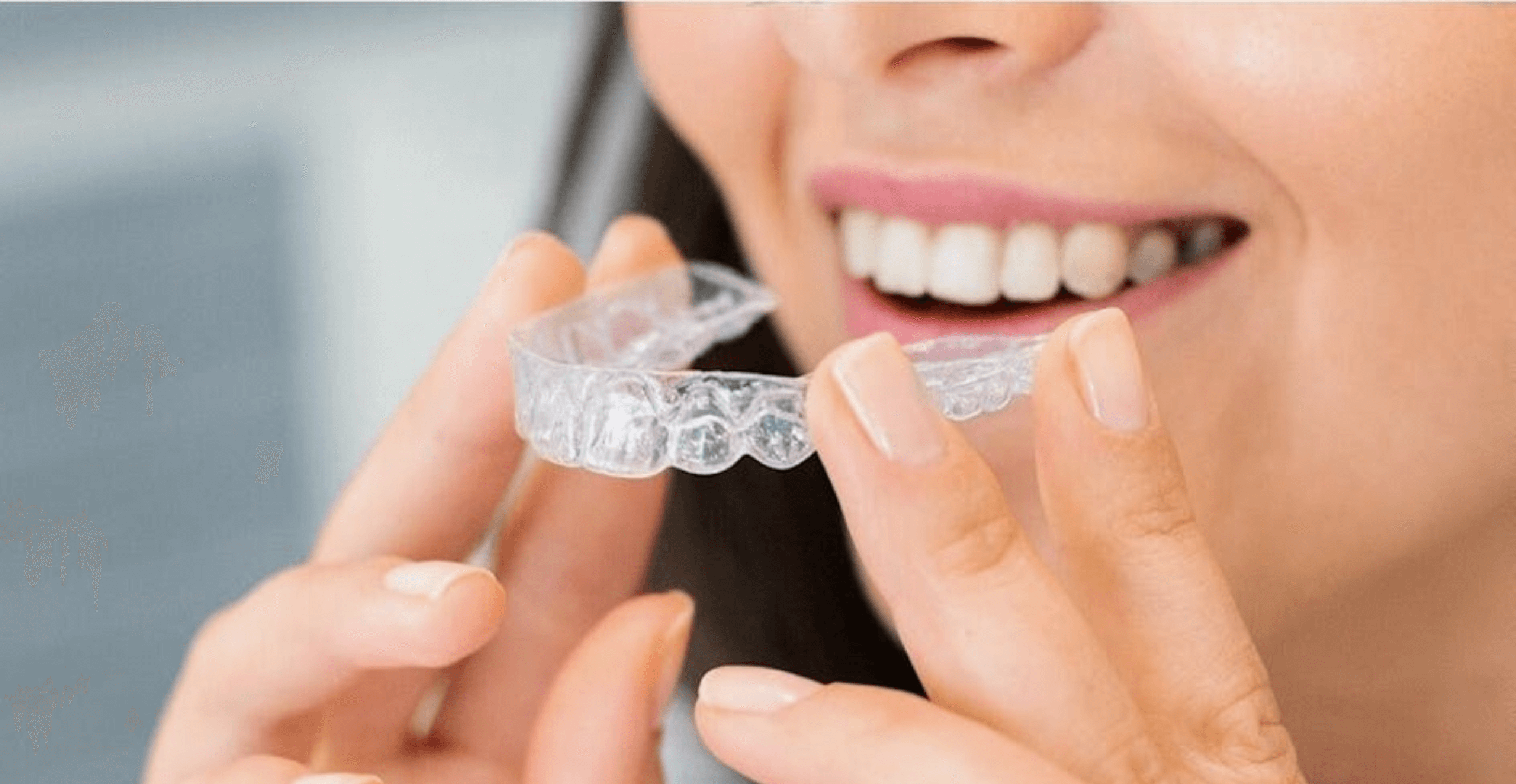
3. Clear Aligners
Clear aligners have become one of the most popular orthodontic options for adults.
These custom-made, transparent trays gradually shift teeth into position over time. Aligners are typically removable, allowing patients to eat, brush, and floss more easily.
They may be suitable for mild to moderate alignment concerns and are especially popular with professionals who prefer a subtle treatment option.
Getting Braces Fitted
Once a treatment plan is confirmed, the next step is fitting the braces.
For fixed braces, the process usually involves:
-
Cleaning and preparing the teeth
-
Attaching brackets to each tooth using dental adhesive
-
Connecting the brackets with an archwire
-
Adding elastic bands if required
The procedure generally takes around one to two hours. Patients may experience mild pressure or discomfort in the first few days as the teeth begin to move, but this typically settles quickly.
The Adjustment Phase
After braces are fitted, regular check-ups are required to monitor progress and adjust the appliance. These appointments usually occur every 4–8 weeks.
During adjustments, the dental professional may:
-
Tighten or change the archwire
-
Replace elastic bands
-
Check tooth movement
-
Ensure treatment is progressing correctly
These small adjustments gradually guide teeth into their ideal positions. While some temporary sensitivity may occur after adjustments, this typically fades within a few days.
Living with Adult Braces
Most adults quickly adapt to life with braces, although a few small adjustments to daily habits may help.
Oral Hygiene
Maintaining good oral hygiene is essential during orthodontic treatment.
Recommended practices include:
-
Brushing after every meal
-
Using interdental brushes to clean around brackets
-
Flossing carefully between teeth
-
Attending regular dental hygiene appointments
Proper cleaning helps prevent plaque build-up around brackets and wires.
Diet Considerations
Certain foods may need to be avoided with fixed braces to prevent damage.
Examples include:
-
Hard foods such as nuts and boiled sweets
-
Sticky foods like caramel
-
Crunchy foods that may break brackets
Cutting food into smaller pieces can make eating more comfortable. Patients using removable aligners may remove them when eating, but should follow the dentist’s guidance on wear time.
Speech and Comfort
Some patients notice a slight change in speech during the early days of treatment, particularly with aligners. This is usually temporary and improves as the mouth adapts. Orthodontic wax can also help relieve irritation caused by brackets rubbing against the inside of the mouth.
How Long Adult Braces Usually Take
Treatment time varies depending on the complexity of the case.
Typical orthodontic treatment durations include:
-
Mild cases: 6–12 months
-
Moderate cases: 12–18 months
-
Complex cases: 18–24 months or longer
Following instructions carefully, including attending appointments and wearing aligners as directed, can help keep treatment on schedule.
The Final Stage: Removing Braces
When the desired alignment has been achieved, the braces are removed. This process is usually quick and painless.
The dentist will:
-
Remove brackets and wires
-
Clean and polish the teeth
-
Take impressions or scans for retainers
Many patients are surprised at how smooth and clean their teeth feel after the braces are removed.
Why Retainers Are Essential
The final stage of orthodontic treatment involves wearing retainers. Teeth naturally have a tendency to shift back toward their original positions. Retainers help maintain the results achieved during treatment.
There are two main types:
-
Fixed retainers, bonded behind the teeth
-
Removable retainers, worn overnight
Following the retainer schedule is essential for preserving the new smile long-term.
Benefits of Adult Braces Beyond Appearance
Although many people start orthodontic treatment for cosmetic reasons, the benefits often extend far beyond aesthetics.
Straight teeth may contribute to:
-
Easier brushing and flossing
-
Reduced plaque build-up
-
Lower risk of gum disease
-
Better bite function
-
Reduced jaw strain
For many adults, braces are an investment not only in confidence but also in long-term oral health.
Is It Too Late to Get Braces?
One of the most common misconceptions about orthodontics is that treatment only works during adolescence. In reality, teeth can move at any age with the help of orthodontic appliances. While treatment may take slightly longer for adults because jaw growth has finished, effective results are still achievable for many patients. An individual consultation is the best way to determine whether adult braces are suitable for a particular case.
Frequently Asked Questions
1. Are braces painful for adults?
Braces may cause mild discomfort for a few days after fitting or adjustments. This usually fades quickly as the mouth adapts.
2. How long do adult braces take to work?
Treatment typically lasts between 12 and 24 months, depending on the complexity of the case.
3. Are braces noticeable?
Modern braces are much more discreet than older versions. Options such as ceramic braces or clear aligners can make treatment less visible.
4. Can adults still get braces with dental work?
In many cases, orthodontic treatment is possible even with crowns, fillings, or implants. A consultation helps determine the best approach.
5. Do braces affect daily life?
Most adults continue their normal routines, including work, social activities, and exercise, while wearing braces.
6. Are clear aligners better than braces?
Both options can be effective. The best choice depends on the patient’s dental needs, lifestyle, and treatment goals.
7. How often are orthodontic appointments needed?
Patients usually attend check-ups every 4–8 weeks to monitor progress and adjust the braces if necessary.
8. What happens if retainers are not worn?
Without retainers, teeth may gradually shift back toward their original positions.
9. Can adults get braces at any age?
Yes. Many adults begin orthodontic treatment in their 30s, 40s, or even later.
Start Your Journey Today
Adult orthodontic treatment has never been more accessible or discreet. With modern options available, achieving a straighter smile can fit comfortably into a busy lifestyle. Book a consultation to help determine the most suitable treatment for your individual dental needs and goals.